

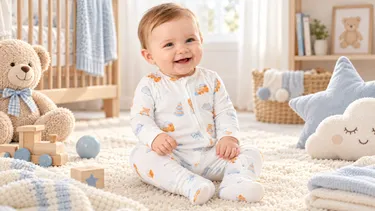
Bamboo Viscose vs. Organic Cotton: Which Fabric Is Better for Baby Clothing?
Choosing the right fabric is an important decision when developing a baby clothing collection. Fabric affects how a garment feels against delicate skin, how it fits, how it performs after repeated washing, and how well it supports a brand's product positioning.
For babywear brands, two popular material options are bamboo viscose and organic cotton. Both can be used in a variety of clothing applications, but they have different characteristics in terms of drape, stretch, fabric construction, processing, and care requirements.
So, which is better: bamboo viscose or organic cotton? There is no universal answer. The right choice depends on the garment design, intended use, target customer, and the specifications of the finished fabric.
In this guide, we compare bamboo viscose vs. organic cotton for baby clothing, focusing on practical product development decisions for baby bodysuits, everyday basics, knitwear, and sleepwear.
Understanding Bamboo Viscose and Organic Cotton
Before comparing the two materials, it is important to understand what their names mean. Bamboo viscose and organic cotton come from different raw materials and are produced through different processes. Their finished properties also depend on yarn construction, fabric structure, finishing, and garment design.
What Is Bamboo Viscose?
Bamboo viscose is a regenerated cellulose fiber made using cellulose derived from bamboo. The bamboo is processed to produce a material that can be spun into fibers and manufactured into yarn and fabric.
In baby clothing, bamboo viscose is often used in knitted fabrics for bodysuits, rompers, pajamas, and other garments where a soft hand feel and fluid drape are desirable.
Depending on the fabric construction and whether other fibers or elastane are blended into the material, bamboo viscose fabrics can offer different levels of stretch, recovery, thickness, and surface texture.
One important distinction for brands is that bamboo viscose is not the same as mechanically processed bamboo fiber. The finished viscose fiber should not automatically be assumed to retain bamboo's original plant properties, such as natural antibacterial activity. Accurate fiber labeling is also important when describing bamboo-based textiles to customers.
What Is Organic Cotton?
Organic cotton is cotton grown according to applicable organic agricultural standards. The term describes how the cotton is cultivated; it does not, by itself, specify every stage of textile manufacturing or guarantee particular characteristics in the finished garment.
Organic cotton can be made into a wide range of fabrics, including single jersey, rib knit, interlock, French terry, and woven constructions. This versatility makes it suitable for baby bodysuits, T-shirts, leggings, cardigans, blankets, and many other products.
Its performance depends on factors such as yarn quality, knitting or weaving structure, fabric weight, finishing, and whether the material is blended with other fibers.
For brands developing an organic cotton collection, it is worth reviewing the full material specification rather than relying on the fiber name alone. You can also explore how brands develop organic cotton knitwear collections.
Key Differences at a Glance
| Comparison Factor | Bamboo Viscose | Organic Cotton |
|---|---|---|
| Fiber source | Cellulose derived from bamboo and regenerated through processing | Cotton grown according to applicable organic agricultural standards |
| Typical hand feel | Often smooth and soft, depending on fabric construction and finishing | Can range from smooth to textured, depending on yarn and construction |
| Drape | Often fluid in lightweight knitted fabrics | Varies from fluid to structured depending on the fabric |
| Stretch | Depends on knit structure and whether stretch fibers are included | Also depends on knit structure and fiber blends |
| Common babywear applications | Bodysuits, rompers, pajamas, and soft everyday layers | Bodysuits, T-shirts, leggings, knitwear, and everyday basics |
| Care and shrinkage | Depends on the finished fabric, construction, and care instructions | Depends on the finished fabric, construction, and care instructions |
| Environmental assessment | Requires consideration of cellulose processing, chemicals, energy, water, and wastewater management | Requires consideration of agricultural practices, processing, dyeing, water, energy, and durability |
These are general tendencies, not guaranteed outcomes. A dense bamboo viscose knit may behave very differently from a lightweight bamboo viscose jersey, just as a structured organic cotton interlock differs from a fine cotton rib.
Comparing Softness, Breathability and Moisture Absorption
Softness and moisture management are important considerations in babywear development. However, these properties should be assessed at the fabric level rather than assumed from the fiber name.
Softness and Skin Comfort
Bamboo viscose is often selected for its smooth surface and soft hand feel. Lightweight knitted versions can feel fluid and gentle against the skin, making them worth considering for close-fitting garments and sleepwear.
Organic cotton can also provide a soft hand feel, particularly when made with suitable yarns and carefully finished. Its surface texture and perceived softness can vary according to fiber quality, yarn construction, knitting structure, and finishing treatments.
For brands targeting babies with sensitive skin, neither material should automatically be described as hypoallergenic or guaranteed to prevent irritation. Skin comfort depends on more than fiber content. Dyes, finishing agents, detergent residues, seams, labels, garment fit, and individual sensitivities may all affect the wearer's experience.
When evaluating samples, assess surface smoothness, seam placement, label construction, and the feel of the garment after washing. Avoid making medical or allergy-prevention claims unless the specific claim is adequately supported.
Breathability and Moisture Absorption
Both bamboo viscose and cotton can absorb moisture, but the finished fabric's performance depends on its structure, thickness, yarn, and finishing.
Bamboo viscose is often chosen for lightweight fabrics with a fluid feel. Organic cotton is available in a broad range of knit structures that can be selected for different levels of coverage, air permeability, and moisture management.
For summer bodysuits or lightweight everyday clothing, compare fabrics with similar weights and constructions. For cooler-weather layers, consider whether a denser knit provides the desired coverage without making the garment unnecessarily heavy.
When moisture management is a key product requirement, brands should request relevant fabric specifications or test results rather than assuming that one fiber will always perform better than the other.
Is Bamboo Viscose Better for Babies With Sensitive Skin?
Not necessarily. A smooth bamboo viscose fabric may be a good option for some products, while a well-made organic cotton fabric may be equally suitable for others. Individual skin responses vary, and neither fiber guarantees freedom from irritation.
For sensitive-skin positioning, brands should evaluate the complete garment, including fabric composition, dyes, finishing, accessories, seams, and labels. Applicable chemical-safety testing can provide useful information about tested substances, but a product certification should not be presented as proof that a garment cannot cause an allergic reaction.
How the Two Fabrics Differ in Drape, Stretch and Structure
Fabric selection is not only about touch. The way a material hangs, stretches, and recovers affects garment fit, appearance, ease of dressing, and performance during everyday wear.
Drape and Garment Appearance
Bamboo viscose knitted fabrics often have a fluid drape, especially at lighter weights. This can work well for soft rompers, relaxed silhouettes, and pajamas designed with a smooth, flowing appearance.
Organic cotton can create either a fluid or a more structured look. Lightweight jersey may suit simple T-shirts and bodysuits, while rib knits and interlock fabrics can provide different levels of texture, coverage, and body.
When comparing samples, look at how the fabric hangs on a finished garment, not just how it falls when held by hand. The pattern, garment dimensions, seams, and fabric weight all influence the final silhouette.
Stretch and Recovery
Stretch is particularly important for baby bodysuits, leggings, cuffs, and garments that need to accommodate movement and frequent dressing.
Stretch can come from the knitted structure, an elastane blend, or a combination of both. A fabric made from bamboo viscose is not automatically more elastic than organic cotton, and a cotton fabric is not necessarily less flexible.
For close-fitting babywear, assess how easily the garment stretches during dressing and whether it returns to its intended shape. Pay particular attention to neck openings, cuffs, leg openings, and other areas that experience repeated pulling.
Dimensional Stability and Appearance After Washing
Repeated washing can affect fabric dimensions, surface appearance, seams, and fit. Shrinkage and shape retention are influenced by fiber characteristics, yarn and fabric construction, finishing, garment manufacturing, and care conditions.
Neither bamboo viscose nor organic cotton should be assumed to have better dimensional stability in every case. A well-developed fabric may perform differently from another fabric made from the same fiber.
Before finalizing a babywear material, compare samples before and after washing according to the intended care instructions. Check garment length and width, seam distortion, surface pilling, color retention, and the recovery of cuffs and neck openings.
For more information about bamboo-based sleepwear development, see how to develop bamboo baby pajamas for your clothing brand.
Which Fabric Works Better for Different Baby Clothing Products?
The most useful way to compare bamboo viscose vs. organic cotton baby clothes is to start with the intended product. Different garments have different requirements for fit, structure, durability, hand feel, and care.
Baby Bodysuits and Rompers
Baby bodysuits and rompers need to balance comfort, ease of dressing, and shape retention. The fabric should work with the garment pattern and allow appropriate movement without becoming excessively loose or restrictive.
Bamboo viscose may be worth considering when:
- The design calls for a smooth hand feel and a fluid drape.
- A lightweight knitted fabric suits the intended silhouette.
- The brand wants to explore bamboo-based materials as part of its product range.
Organic cotton may be worth considering when:
- The design calls for a familiar cotton jersey, rib, or interlock construction.
- The product requires a particular balance of structure and flexibility.
- The brand wants to build a coordinated collection around certified organic cotton, where the relevant certification and product scope can be verified.
For either option, evaluate stretch recovery, snap placement, seam comfort, and dimensional stability. Closures and other components should be suitable for the garment's intended age group and use.
Everyday T-Shirts and Matching Sets
Everyday T-shirts, leggings, and coordinated sets need to maintain a consistent appearance across different garment shapes. Fabric weight, opacity, surface texture, and color matching can be as important as softness.
Organic cotton offers a wide choice of knit structures, which can help brands develop coordinated pieces with different levels of structure. Bamboo viscose can also work for everyday basics, particularly where a softer hand feel and fluid drape are part of the design direction.
When building a multi-piece collection, compare materials under the same conditions. Check whether different styles maintain a consistent appearance, whether lighter colors provide adequate coverage, and whether the fabric surface changes after washing.
Brands can explore Ecoenfam's knitted clothing collection when reviewing product directions for baby and children's knitwear.
Baby Pajamas and Sleepwear
For baby pajamas, fabric choice should support comfort, suitable fit, care requirements, and applicable sleepwear safety standards. Both bamboo viscose and organic cotton may be considered, depending on the garment design and market requirements.
Bamboo viscose may suit brands seeking a smooth, fluid fabric for sleepwear. Organic cotton may be appropriate for designs using jersey, rib, or other cotton knit constructions. Neither option is automatically the safer or more comfortable choice in every finished garment.
Sleepwear development also requires attention to garment fit and the applicable flammability or other product-safety requirements in the destination market. Requirements can differ by country, product category, and age group. Brands should verify the relevant rules before making compliance claims or finalizing a design.
Evaluate the complete garment rather than selecting sleepwear based on fiber composition alone. Consider seams, closures, labels, fabric weight, washing performance, and whether the finished product meets applicable requirements.
Baby Knitwear and Layering Pieces
For cardigans, lightweight pullovers, and layering pieces, the desired structure may be different from that of a bodysuit or pajama set.
Organic cotton is available in numerous knit constructions, including rib and interlock, that can be selected to achieve different textures and levels of body. Bamboo viscose can also be incorporated into knitted products, although its suitability depends on the yarn, construction, and intended shape.
For products that need to retain a defined silhouette, evaluate the finished garment's weight, stretch recovery, seam stability, and resistance to distortion. The fiber name alone cannot predict how well a particular design will hold its shape.
Sustainability Considerations: Fiber Source and Processing
For brands developing sustainable baby clothing, choosing between bamboo viscose and organic cotton requires more than comparing the plants from which the fibers originate. Environmental performance depends on multiple stages of the product life cycle.
Raw Materials and Agricultural Practices
Bamboo is a fast-growing plant, but its growth rate alone does not establish the environmental impact of the finished viscose fabric. The conversion of bamboo into regenerated cellulose fiber requires processing, and the environmental performance of that process depends on factors such as chemical management, energy use, and wastewater treatment.
Organic cotton is grown under applicable organic agricultural standards. These standards address agricultural practices, but the finished textile's overall impact also depends on processing, dyeing, finishing, transportation, garment lifespan, and care.
Consequently, it is not accurate to conclude that bamboo viscose is always more sustainable than organic cotton, or that organic cotton is always the better environmental choice. A fair comparison requires evidence about the specific materials and production systems being evaluated.
Fiber Processing and Textile Manufacturing
Bamboo viscose is produced through a regeneration process that converts cellulose into fiber. The environmental profile depends in part on how the process manages chemicals, recovers materials where applicable, uses energy, and treats wastewater.
Organic cotton does not require the same viscose regeneration process, but cotton textiles still undergo yarn production, fabric formation, dyeing, finishing, and other manufacturing stages that may use water, energy, and chemicals.
When comparing suppliers or fabric options, request information that is relevant to the specific material. Depending on the product and the claims a brand wants to make, useful information may include fiber composition, processing details, chemical-management documentation, and applicable third-party certifications.
Certifications and Responsible Claims
Certifications can help brands substantiate particular material or manufacturing claims, but their scope matters. A certificate covering raw fiber production does not necessarily certify every stage of garment manufacturing, and a chemical-safety label does not automatically prove a product's overall environmental superiority.
For example, organic textile standards and chemical-safety testing schemes address different aspects of a product or supply chain. Brands should verify the certificate's validity, product coverage, certified entity, and applicable requirements before using a certification claim in marketing.
It is also important to describe bamboo-based textiles accurately. Bamboo viscose should be identified using the appropriate fiber terminology rather than implying that the finished viscose fabric is made of unprocessed bamboo fiber or necessarily retains the plant's natural properties.
Durability, Washing and Product Lifespan
A fabric's environmental relevance also depends on how well the garment performs over time. A product that maintains its fit, surface appearance, and function through appropriate care may remain useful for longer.
For babywear brands, durability evaluation should include shrinkage, pilling, seam performance, color retention, and shape recovery. Care instructions should reflect the tested properties of the finished garment rather than general assumptions about a fiber.
For a broader overview of materials used in sustainable apparel, visit Ecoenfam's eco-friendly clothing collection.
How to Choose the Right Fabric for Your Babywear Collection
When deciding which is the best fabric for baby clothes, brands should begin with product requirements and then compare material samples against a consistent set of criteria.
1. Define the Product's Intended Use
Start by identifying the garment category, target age group, intended fit, season, and expected care routine. A lightweight summer bodysuit, a structured everyday set, and a baby pajama may need different fabric weights and constructions.
Write down the essential requirements before comparing suppliers. This helps the development team assess materials against the same criteria rather than choosing based on hand feel alone.
2. Compare Fabric Specifications
Request the available technical information for each candidate fabric. Depending on the product, this may include:
- Fiber composition and blend percentages.
- Fabric weight and construction.
- Stretch and recovery characteristics, where relevant.
- Available color and finishing options.
- Care recommendations and relevant test results.
- Applicable certifications and supporting documentation.
When comparing bamboo viscose with organic cotton, use similar fabric weights and constructions where possible. Otherwise, differences in performance may be caused by the fabric structure rather than the fiber alone.
3. Test Samples in the Intended Garment
Fabric swatches are useful for initial screening, but a garment sample provides a more realistic view of fit and performance. Review how the material behaves around openings, cuffs, seams, and closures.
Where appropriate, conduct washing and wear evaluations using the intended care instructions. Record changes in dimensions, surface appearance, color, and garment shape. If a product has specific performance or safety requirements, use suitable testing methods and qualified testing providers.
4. Verify Material and Certification Claims
If the collection is marketed as organic, verify that the relevant certification supports the specific claim being made. If a fabric is described as bamboo viscose, use accurate fiber terminology. If the product is promoted for sensitive skin or environmental benefits, ensure that the wording is supported by evidence relevant to the finished product.
Clear documentation helps brands maintain consistency between product specifications, supplier information, labels, and marketing content.
5. Consider the Whole Collection
A babywear collection does not necessarily need to use one fiber for every product. A brand might select bamboo viscose for certain soft, fluid styles and organic cotton for products that call for a different structure or material positioning.
The key is to establish clear specifications for each product and ensure that the selected materials meet the same quality, safety, and labeling expectations. A coordinated collection can include different fibers without making unsupported claims that one material is universally superior.
Frequently Asked Questions
Is bamboo viscose better than organic cotton for baby clothes?
Neither material is universally better. Bamboo viscose is often selected for its smooth hand feel and fluid drape, while organic cotton offers a broad range of fabric constructions. The better choice depends on the garment, fabric specifications, care requirements, and intended product positioning.
What is the best fabric for baby clothes?
There is no single best fabric for every baby garment. Brands should consider softness, fit, breathability, fabric weight, durability, washing performance, and applicable safety requirements. The finished fabric and garment should be evaluated for the intended use.
Are bamboo viscose baby clothes hypoallergenic?
Bamboo viscose should not automatically be considered hypoallergenic. Although some fabrics have a smooth hand feel, individual skin responses vary, and dyes, finishing agents, garment components, and other factors may contribute to irritation. Avoid guaranteeing that a garment cannot cause an allergic reaction.
Does organic cotton shrink less than bamboo viscose?
Not necessarily. Shrinkage depends on fiber characteristics, yarn and fabric construction, finishing, garment manufacturing, and washing conditions. Compare the actual fabrics and assess dimensional changes using suitable washing tests before finalizing a product.
Is bamboo viscose more sustainable than organic cotton?
Not in every case. Bamboo viscose requires a regeneration process, while organic cotton is associated with specific agricultural standards. The environmental impact of either fabric depends on raw material production, processing, dyeing, finishing, energy and water use, wastewater management, durability, and other life-cycle factors.
Can baby clothing brands use both bamboo viscose and organic cotton?
Yes. Brands can select different fabrics for different product categories, provided each material meets the product's design, quality, safety, and labeling requirements. Using both can help a collection accommodate different garment structures and customer preferences without assuming that one fiber is best for every application.
Final Thoughts
Choosing between bamboo viscose and organic cotton is a product development decision, not a contest with one universal winner. Bamboo viscose may suit designs that call for a smooth hand feel and fluid drape, while organic cotton offers flexibility across a wide range of knitted and woven constructions.
For baby bodysuits, everyday basics, knitwear, and sleepwear, the most reliable approach is to evaluate the complete fabric and garment. Consider fit, comfort, stretch recovery, washing performance, safety requirements, and the evidence supporting any sustainability or skin-comfort claims.
For B2B brands building a babywear collection, material selection should align with the intended product and the expectations of the target market. By comparing specifications, testing samples, and verifying documentation, brands can make more informed decisions about bamboo viscose, organic cotton, or a combination of both.
Explore Ecoenfam's eco-friendly clothing collection and knitted clothing range for more information about material options for sustainable apparel development.
Zhuhai Enzhuo Clothing Co., Ltd.

Contact : Yinger (Directeur général)
© 2026 Ecoenfam Vêtements